Home · Services · Emergency HVAC Service
Emergency HVAC Service in Tustin, CA
Quick answer
Wind day triage that names the household and the exposure: Tustin Ranch at 100 plus is not Old Town on a mild evening.
Emergency service in Tustin is a Santa Ana and heat wave service: the days the canyon winds push the foothill neighborhoods toward and past 100 while the flat side stays merely hot. Triage names the household, elders, infants, medical equipment, and the neighborhood's exposure in the same breath, because a no cool call from Tustin Ranch on a wind day and one from Old Town on a mild evening are different urgencies wearing the same words.
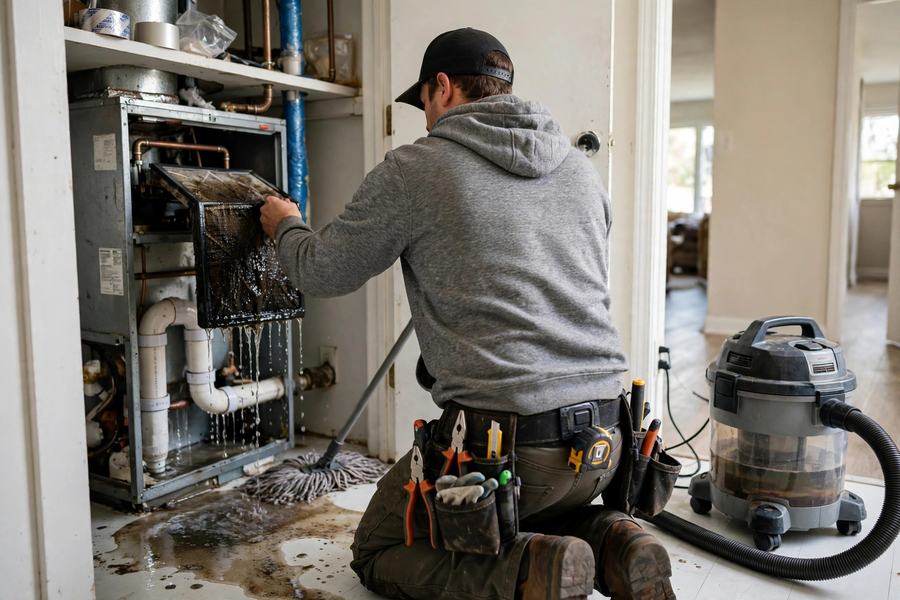
Signs you need emergency hvac service
- No heat with overnight lows in the teens or single digits
- No cooling during a heat wave with vulnerable people in the home
- Water pouring from an air handler or a condensate overflow
- A breaker that trips again every time the system starts
- Burning electrical smell at the unit or the vents
What the job involves
What affects the price
- Time of day and day of week; after hours rates are stated before dispatch, not discovered on the invoice
- Component failed and whether it is a stocked truck part
- System age, which decides whether an emergency repair is sound money or a bridge to replacement
- Weather severity, which sets the triage order across the whole call board
When it is an emergency
This page is the emergency, and its first rule is the exception: gas smell or a sounding carbon monoxide alarm is not an HVAC call, it is an evacuation and a utility or 911 call. Everything else on this page (no heat in deep cold, no cooling in dangerous heat, water pouring, breakers tripping) is a call now, and saying who is in the house helps the dispatcher order the board honestly.
PLACEHOLDEREmergency HVAC Service across the Tustin area
Related services
AC Repair
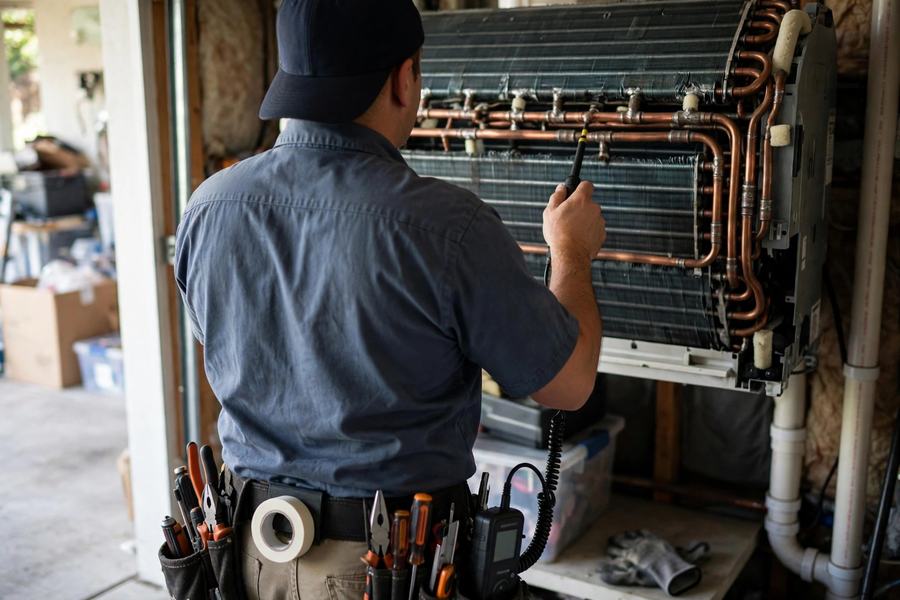
Diagnosis by side and system: workload parts on the foothill edge, zoning and control questions in Tustin Ranch, age on the flat side.
Ductwork Repair & Replacement
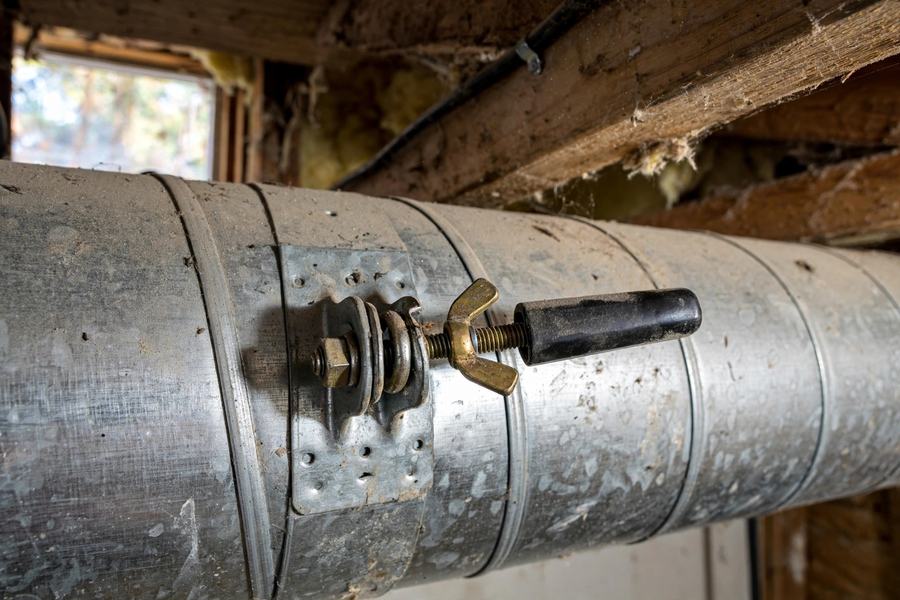
Sealing, insulating, and return correction in tract attics, where distribution is measured before tonnage is discussed.
HVAC System Replacement
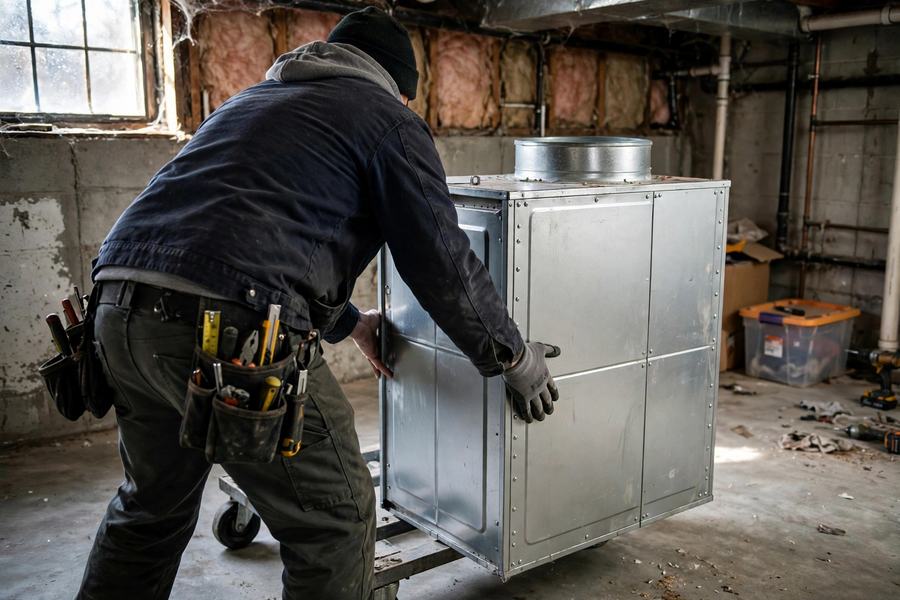
Replacement as a plan decision: one system or two, zoning priced honestly, load calculation shown per floor.
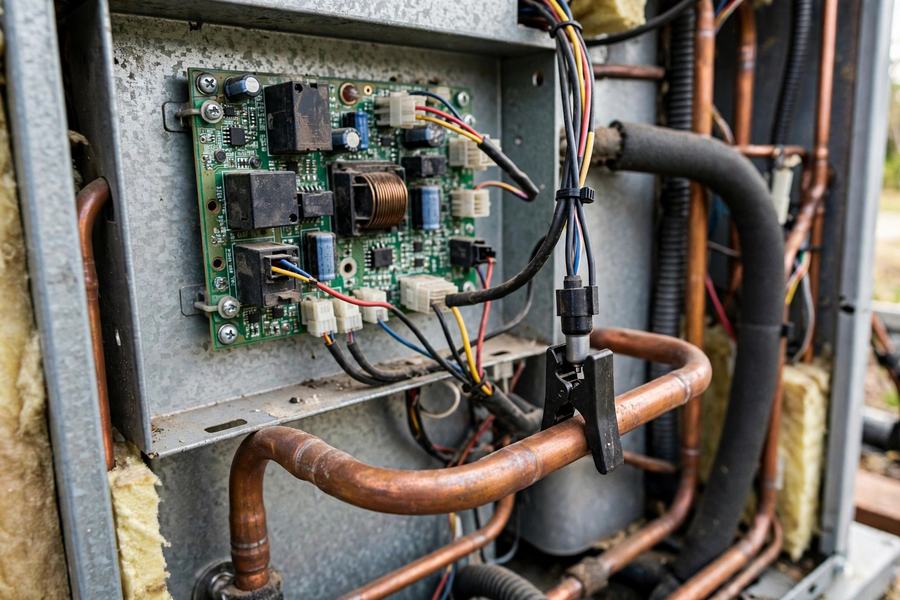
Heat Pump Repair & Installation
Heat pump pairs for the aging out tract systems, designed against the canyon wind afternoons, not the average day.
Emergency HVAC Service questions, answered
When is emergency hvac service an emergency?
This page is the emergency, and its first rule is the exception: gas smell or a sounding carbon monoxide alarm is not an HVAC call, it is an evacuation and a utility or 911 call. Everything else on this page (no heat in deep cold, no cooling in dangerous heat, water pouring, breakers tripping) is a call now, and saying who is in the house helps the dispatcher order the board honestly.
What affects the price of emergency hvac service in Tustin?
The main price factors for emergency hvac service are covered in the cost section above. The contractor confirms the exact price in a written estimate after seeing the job, and nothing is owed until you approve it. The call and the referral are free.
How often should HVAC be serviced, and when?
Once a year per function: cooling before the heat season, heating before the cold season, which for most homes means one or two visits a year. The work that matters is unglamorous: coils cleaned, the condensate drain flushed (its failure is the one that floods ceilings), electrical components tested against readings, and safety controls proven on heating equipment. Shoulder season scheduling is the practical advice: the same visit in the first heat wave joins a queue of people whose systems already failed.
Does homeowners insurance cover HVAC damage in Tustin?
Only when a covered event causes it. Wear, age, and mechanical failure are maintenance and are not covered anywhere. Lightning strikes and power surge damage from a storm event, and fire or storm damage to equipment, are the covered kind, subject to your deductible, and they need documentation: the storm date, the surge evidence, and a technician's finding that ties the failure to the event. A compressor that dies of age in the same week as a storm is still age unless the electrical evidence says otherwise, which is why the diagnosis report matters.
My heat pump blows air that feels cold in heat mode. Is it broken?
Probably not on that evidence alone. Heat pumps deliver air at roughly 90 to 100 degrees, below skin temperature, so it feels cool on your hand while still heating the house; a furnace delivers noticeably hotter air in shorter bursts. The real tests are whether the house holds its set point, whether ice on the outdoor unit clears in defrost, and whether auxiliary heat is running constantly (the electric bill notices that one). If the house drifts colder while the unit runs, or the unit stays iced, that is a service call with a real fault behind it.
Request a callback
Prefer to talk later? Leave your details and an independent local pro will call you back. No charge to you, no obligation.
Cowan Heights Heating and Air is a free referral service. Submitting this form connects you with independent local contractors who provide the work.